In a rapidly evolving packaging landscape, innovation is no longer optional, it's a competitive necessity. From AI-driven efficiency to hybrid print solutions and the convergence of narrow and wide web technologies, the label industry is at the threshold of a new era. This was the central message at the FINAT European Label Forum 2025, where technology leaders and industry experts convened to discuss how printers and suppliers can adapt and thrive in this dynamic environment.
This article, fourth in a dedicated series exploring the key sessions of the forum, dives into the role of technology and innovation in reshaping the business of labels and packaging. Speakers Bram Verhoef (Axelera AI), Jörg Schönwald (flexible packaging consultant), and a panel of technology leaders including Noël Kasmi (Adapa Group), Erik van Sloten (Bobst), Alex Aarslew-Jensen (Nilpeter) and Michael Schrameyer (Coveris Flexible), shared powerful insights and practical foresight for the label community.
AI in Manufacturing: from buzzword to business Driver
 Artificial Intelligence (AI) has moved beyond hype to become a real enabler of operational excellence in label production. Bram Verhoef painted a compelling picture of how AI is poised to deliver value in the next 24 months: from predictive maintenance and dynamic scheduling to quality control and ERP integration. “AI is not going to replace people, but it will definitely change the nature of work,” Verhoef noted. “It will augment human decision-making with data-driven recommendations.”
What this means for label businesses:
For label printers, AI offers a practical pathway to reduce waste, shorten lead times, and improve job planning. Early adoption of AI tools, especially in areas like preventative maintenance and supply chain forecasting, can create tangible competitive advantages. For suppliers, it is a call to embed AI capabilities into the next generation of print and finishing equipment.
Flexible Packaging: a growth avenue for narrow-web converters
 Jörg Schönwald made a strong case for the label industry’s expansion into flexible packaging, particularly stand-up pouches, a segment growing more than 10% annually. Traditionally dominated by wide web converters, flexible packaging is now open for narrow and mid-web players thanks to digital printing and evolving consumer demands. “Stand-up pouches are no longer just an opportunity, they're a necessity for growth,” said Schönwald. “Today, they offer the perfect entry point for label converters due to agility and personalisation needs”.
Why this matters for label businesses:
With print runs becoming shorter and brand owners seeking customisation and faster time-to-market, narrow-web capabilities are well-aligned with emerging needs. Label converters can tap into markets like pet food, personal care, ready-to-drink beverages, and niche food segments.
The key? Identifying SKUs with smaller batch sizes and investing in complementary capabilities such as lamination or forming partnerships with wide-web converters.
The technology mix: bridging narrow and wide web
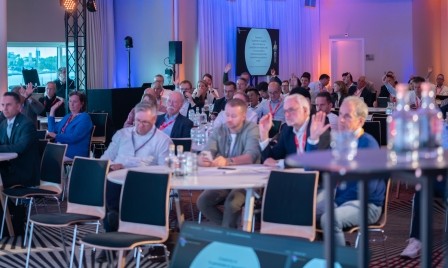 The convergence of print technologies is blurring the lines between traditional label and flexible packaging workflows. During the panel discussion, speakers agreed: the future lies in mixing technologies strategically, not replacing one with another. “Label printers have agility in their DNA. That gives them an edge in short runs, personalisation, and versioning,” Noël Kasmi emphasised.
Erik van Sloten from Bobst noted the growing role of mid-web presses as hybrid solutions that offer cost-effective production for medium-sized jobs. Alex Aarslew-Jensen from Nilpeter added that increasing automation and faster changeovers are making narrow-web machines more competitive, even in markets traditionally reserved for wide-web.
Implications for label printers:
Rather than a disruptive leap, this is an evolution. Mid-web presses, digital embellishment, and end-to-end automation give label converters a chance to serve new markets without abandoning core capabilities. It is also an invitation to rethink workflows, optimise setups, and integrate smarter technology into existing operations.
Barriers to entry: real, but surmountable
Despite the opportunities, the transition into flexible packaging isn't plug-and-play. Regulatory compliance, food safety certification, lamination expertise, and material complexity present real challenges. “Material engineering remains a critical hurdle. Mono-material doesn’t mean one layer. It often involves multiple layers of the same polymer, each with specific properties,” warned Noël Kasmi. Michael Schrameyer added, “Brand owners expect consistency and performance. That means matching their packaging standards and ensuring you have the right certifications.”
Actionable advice:
Label converters interested in this market should begin with due diligence. Partner with existing flexible packaging experts. Upskill teams on food-grade regulations and invest in testing and certifications (e.g., BRC for direct food contact). Consider alliances or joint ventures to share capabilities across the value chain.
From agility to advantage: the label industry’s edge
A recurring theme throughout the forum was agility; a strength that label converters already possess. Fast changeovers, quick delivery, versioning, and digital readiness are all capabilities that traditional flexible packaging converters are still catching up on. “We see more cosmetics and personal care products moving to refill solutions, opening new packaging needs that narrow web converters are well suited to fulfil,” Alex Aarslew-Jensen observed. “If you have label printing experience, you already understand brand colour control, short-run efficiency, and speed-to-market. That’s a tremendous asset,” added van Sloten.
Conclusion: Technology is the gateway to growth
The message from the FINAT European Label Forum 2025 is clear: innovation is not a luxury; it’s the lever for survival and success. From AI-enhanced production to stepping into flexible packaging, label printers are uniquely positioned to expand their role in the broader packaging ecosystem. But success requires strategic investment, collaborative mindset, and a willingness to challenge legacy assumptions. As one panelist concluded, “This is not a disruption. It’s evolution. And label converters are in a strong position to lead it.” It’s through shared knowledge, community platforms, and collaborative partnerships that FINAT empowers the label industry to thrive in this new technological reality.
Call to Action
How is your company preparing for the next wave of innovation? Are you exploring flexible packaging, AI integration, or automation? Join the conversation and request your seat at the table at the European Label Forum 2026 on 27-29 May 2026 in Seville, Spain - https://www.europeanlabelforum.com/. Together, we are building the future of labels.